
Essential Features for High-Converting Real Estate Websites
This podcast discusses essential features for high-converting real estate websites, focusing on user experience. Key elements highlighted include high-quality images and detailed descriptions that evoke emotion, virtual tours, user-friendly mortgage calculators, and comprehensive neighborhood guides. The importance of easy-to-use contact forms and a seamless user journey is stressed. Finally, the conversation explores the potential for future website personalization, using data to tailor content to individual buyer preferences, drawing parallels to personalized experiences found in other industries.
High-converting real estate websites prioritize user experience by incorporating several key features. These features aim to make the online property search process more engaging, efficient, and user-friendly for potential buyers.
Here’s how these websites effectively leverage user experience:
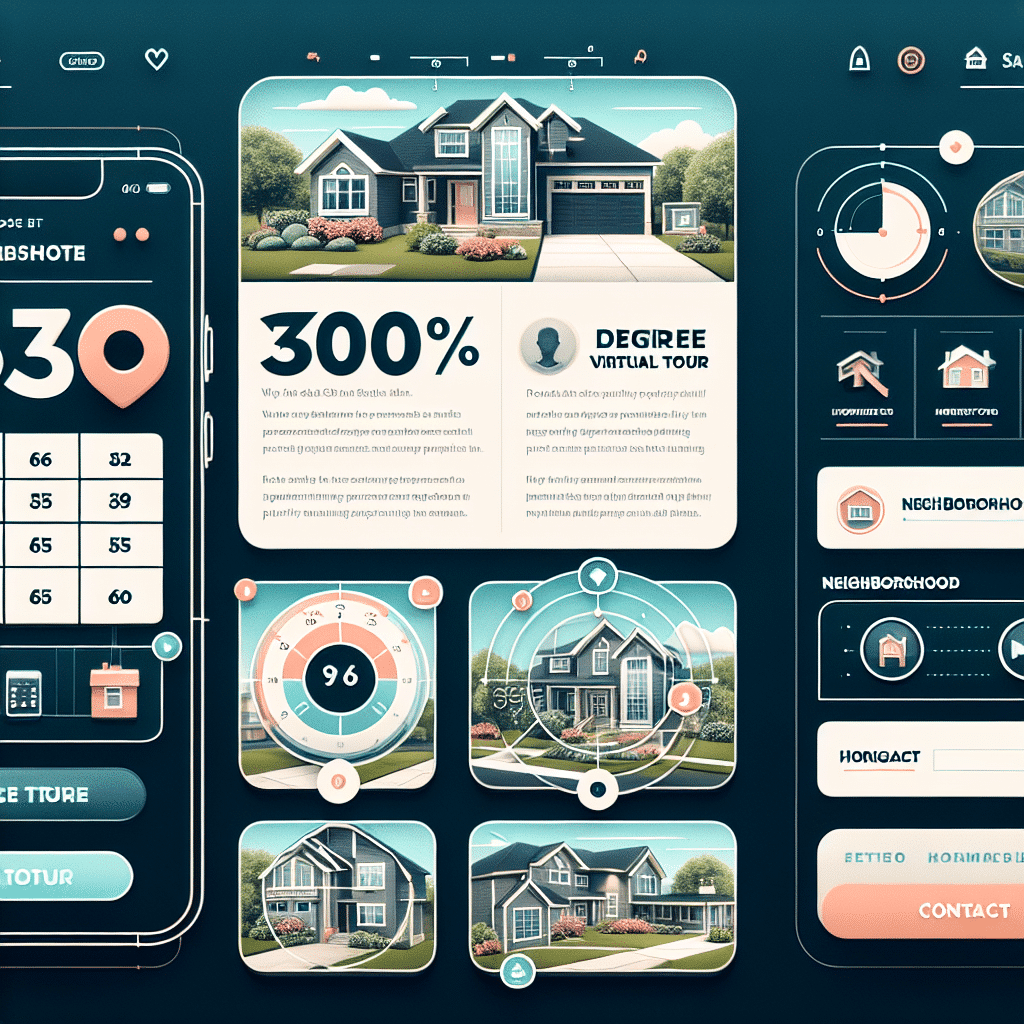
- High-Quality Visuals: Real estate websites should showcase properties with high-quality images that highlight their best features. These images are often the first thing that catches a user’s eye.
- Detailed Property Descriptions: Along with high-quality images, detailed descriptions of the properties are crucial. These descriptions should include key information such as square footage, number of bedrooms and bathrooms, unique features, and price. The descriptions should use engaging language that evokes emotion and helps potential buyers envision themselves living in the space.
- Immersive Virtual Tours: Virtual tours allow potential buyers to “walk through” properties remotely, giving them a realistic sense of the layout and feel of the space. This is a game-changer because it saves time for both buyers and sellers, allowing buyers to narrow down properties of interest before visiting them in person.
- User-Friendly Mortgage Calculators: Mortgage calculators help potential buyers understand their financial obligations and plan their budgets. By providing an estimate of monthly mortgage payments, these tools empower buyers to make informed decisions and feel more confident during the property search.
- Detailed Neighborhood Guides: These guides help potential buyers get a sense of the lifestyle associated with a property. They offer information on local schools, parks, restaurants, public transportation, and other amenities. This helps buyers envision their lives in the community.
- Easy-to-Use Contact Forms: It’s important that contact forms are simple and straightforward, with clear calls to action. The forms should also be mobile-friendly. This ensures that potential buyers can easily get in touch with questions or request viewings.
In addition to these key features, some real estate websites are beginning to explore more advanced methods of personalization, such as tailoring content based on a user’s browsing history and preferences. By implementing these strategies, real estate websites can create a more engaging and user-friendly experience, which ultimately leads to higher conversion rates.
Why are high-quality images and detailed descriptions so crucial for property listings on a real estate website?
High-quality images are essential because they create a strong first impression and are often the first thing a potential buyer notices. They visually showcase the property in the best possible light, making it more enticing and likely to attract clicks. Detailed descriptions complement the images by providing essential information like square footage, the number of bedrooms and bathrooms, and unique features, all while using engaging language that paints a vivid picture of what it’s like to live in the property, appealing to the buyer’s emotions and aspirations. This combination ensures potential buyers are fully informed and captivated, encouraging them to take the next step.
How do 360-degree virtual tours enhance the user experience on a real estate website, and why are they considered essential?
360-degree virtual tours offer a fully immersive experience, allowing potential buyers to virtually “walk through” a property at their own pace. This offers a much more realistic sense of the property’s layout than static photos alone. Virtual tours save time for both buyers and sellers by enabling buyers to eliminate unsuitable properties without physical visits. They are considered essential because they cater to the modern online experience expectations, engaging potential buyers and speeding up their decision-making process.
Why should a real estate website include a user-friendly mortgage calculator, and what benefits does it provide to potential buyers?
A user-friendly mortgage calculator is a crucial tool on a real estate website because it empowers potential buyers to understand their financial commitment. It provides an estimate of monthly mortgage payments based on property prices and interest rates, allowing buyers to plan their budgets more effectively. This tool builds trust and transparency, allowing buyers to make more informed decisions about which properties they can afford and thus increasing their confidence in the buying process.
What should a comprehensive neighborhood guide include, and how does it benefit a real estate website?
Detailed neighborhood guides should include information about local schools, nearby amenities (like shopping centers, parks, and entertainment), public transport options, and community information. By showcasing the lifestyle a property offers, neighborhood guides help potential buyers envision themselves living in the area. They make the website a valuable resource, turning a sales platform into an information hub, and adding value that goes beyond just the property itself.
What are the essential elements of an easy-to-use contact form, and how do they impact a website’s conversion rates?
An easy-to-use contact form should have simple, straightforward fields (name, email, phone number, message), a mobile-friendly design, and a clear call-to-action button. It should be intuitive and designed to encourage submissions without being intrusive or requiring excessive information. When users can easily contact the agent, it keeps them engaged, removing obstacles from the buying journey, and therefore significantly increasing conversion rates.
Beyond the basics, what innovations are starting to appear in real estate website design?
Personalization is becoming increasingly important. Websites are starting to learn user preferences, like preferred property types, budget, and neighborhood interests and then tailoring content accordingly. Some innovative websites are also becoming educational platforms, providing articles about eco-friendly building materials, energy-saving calculators, and highlighting local green initiatives, essentially selling a lifestyle rather than just a house. This shows that real estate websites have huge potential to be resources and community builders.
How can real estate websites leverage data and algorithms to personalize the user experience?
By tracking user behavior and preferences (e.g., types of properties viewed, budget ranges, preferred neighborhoods), real estate websites can use data and algorithms to create a personalized experience. This allows for tailoring listings and content based on individual needs, almost like having a personal real estate concierge, improving engagement and overall user satisfaction and making the process more efficient and effective.
What are some of the key takeaways for real estate professionals looking to improve their websites?
Real estate professionals should prioritize user experience by putting themselves in the buyer’s shoes. This means having high-quality images, detailed descriptions, 360-degree tours, easy mortgage calculators, detailed neighborhood guides, and easy-to-use contact forms. In addition, websites should seek to become resources for potential buyers and tailor content using data and algorithms, ensuring all elements make the buyers journey smoother and more enjoyable. By focusing on meeting potential buyers needs, real estate websites can effectively attract and engage potential customers.
FAQs: Web Design in Sydney
When you’re on the lookout for the best web design services in Sydney, you might have a lot on your mind. We’ve gathered some of the most frequently asked questions to help you make the best choice.
1. What does web design in Sydney typically include?
Web design in Sydney is more than just creating pretty web pages. It includes a wide range of activities such as coding, graphic design, and creating a seamless user experience. Designers focus on making sure your website not only looks good but also works effectively for your business goals.
2. Why should I hire a professional web design service in Sydney?
Hiring a professional web design service in Sydney ensures that you get a website that’s both visually impressive and functional. These experts know how to create a site that’s easy to navigate, visually appealing, and SEO-friendly. A professional service can give your business a competitive edge over others by making your site easy to find and use.
3. How much does a web design project in Sydney cost?
The cost of web design in Sydney can vary widely depending on what you need. Basic projects can start from a few hundred dollars, while more complex sites with custom features can run into thousands. It’s crucial to discuss your budget and expectations upfront to get a clear understanding of costs.
4. How long does it take to complete a web design project in Sydney?
The timeline for web design can range from a couple of weeks to several months, based on the project’s complexity, your specific needs, and any revisions that may be required. An initial discussion with your design team will provide more accurate time estimates.
5. Can I update my website myself after it’s built?
Yes, most web design services in Sydney can create websites that are easy for you to update yourself using content management systems like WordPress. This is a great way to ensure your site remains current without requiring technical expertise.
6. How important is mobile responsiveness for web design in Sydney?
Very important! Most users browse sites via mobile devices. A mobile-responsive design ensures your website looks and functions well on any screen size. This can improve user satisfaction and boost your search engine rankings.
7. How can I measure the success of my new website?
Success can be measured in several ways, such as increased traffic, lower bounce rates, higher sales conversions, and improved search engine rankings. Analytics tools like Google Analytics can provide insight into how your new site is performing.
Our Services: Elevate Your Business with Web Design in Sydney
At Web Design Sydney Now, we transform your ideas into digital reality. Our web design services cover a spectrum that ensures your business stands out online.
Custom Web Design:
Every business is unique, and your website should reflect that. Our team starts with understanding your brand and audience to create a custom design that’s as distinct as your business. We’ll create a user-friendly interface that’s both visually engaging and easy to use.
E-commerce Solutions:
Thinking of taking your store online? Our e-commerce web design services will help you set up a digital storefront that’s easy for customers to navigate. From simple product showcases to complex order management systems, we’ve got you covered.
SEO Optimisation:
A beautiful website is pointless if no one can find it. Our SEO experts ensure that your site ranks well for web design Sydney and related terms. We optimise every aspect of your site to ensure you connect with your audience effortlessly.
Content Management Systems (CMS):
We offer robust CMS solutions that let you update your website content without technical skills. Whether it’s text, photos, or adding new pages, our systems make it simple.
Responsive Web Design:
In an age where mobile is king, our designs ensure your site looks great on all devices. Responsive design enhances user experience and boosts your site’s performance, no matter where your audience is accessing it from.
Website Maintenance:
A website isn’t a one-time creation. Our maintenance packages keep your site secure, fast, and up to date. We monitor performance, update systems, and ensure everything runs smoothly, so you can focus on what you do best.
Branding & Graphic Design:
Our services extend beyond web pages. We offer branding and graphic design, from logo creation to full branding packages, ensuring a cohesive image across all your digital platforms.
Conclusion: Why Web Design in Sydney is Your Best Bet
When it comes to choosing web design services, thinking local makes perfect sense. Web Design Sydney Now offers comprehensive services that cater to the unique needs of Sydney businesses. From stunning aesthetics to technical upkeep and SEO, our experts ensure your digital presence truly reflects your brand ethos.
So whether you’re looking to revamp your current site or start from scratch, take the plunge with Web Design Sydney services that promise quality, creativity, and performance. Your next standout project is just a click away.
Let us bring your vision to life and help your business grow with exemplary web design in Sydney.
View Our Previous 20 Posts
- Essential Features for Building a Trustworthy Plastic Surgery Website
- Essential Features for Successful Film Production Company Websites
- Private Yoga Instructors Websites
- Top WordPress Themes Perfect for Educators and Teachers
- Essential Features for Effective Tutoring Center Websites to Boost Enrollments
- Creating an Autoblog in WordPress: A Step-by-Step Guide
- Essential Features for Effective Landscaping Company Websites to Boost Inquiries


